
Inside VVIP · Destinations
Tokyo Nightlife & Party Planning
Explore Tokyo nightlife through the occasion and service directories. Choose a bachelor, bachelorette or group celebration, then review the arrangements for each service.
Why Tokyo
Tokyo nightlife brings music-led clubs, intimate bars and food-centred gatherings into the same city. Shibuya, Shinjuku and Shin-Okubo offer distinct points of reference for a celebration shaped by the people attending.
Packages and experiences in Tokyo
Choose your occasion to explore its services and experiences. Open a package for its tiers, inclusions and enquiry options.
Choose your experience
3 ways to experience Tokyo
Choose your occasion and share the celebration you have in mind. Our team can discuss the available arrangements for your dates before you book.


Tokyo nightlife & private celebrations
Tokyo nightlife has a musical range that extends beyond one kind of club night: house, techno and hip-hop sit alongside jazz, rock, blues and punk performances. For a celebration, that range makes the soundtrack part of the occasion’s character rather than background to the table reservation.
Districts with different social scales
Shibuya’s clubs and music lounges give it a music-led identity, while Shinjuku combines the small bars of Golden Gai with Kabukicho’s entertainment settings. These are parts of a varied nightlife scene, not a single circuit that every group needs to follow.
Food and conversation after dark
Izakaya bring food and drinks into the same social setting, with small dishes giving friends something to share as conversation develops. Tokyo’s yokocho alleys add another intimate scale, where neighbouring bars and eateries are part of the atmosphere rather than a promise of space for a large party.
A birthday or reunion can draw on Tokyo’s music and hospitality without treating a famous district as an itinerary in itself.

The sound and spectacle of a Tokyo club night
A Tokyo nightclub brief becomes more useful when it names the music rather than asking only for a famous room.
A live stage and a club are different invitations
Shinjuku’s Tokyu Kabukicho Tower offers a concrete example of that distinction: its Zepp venue presents live performances, while Zero Tokyo combines DJs, lighting and live shows. Sharing a building does not make a concert ticket and a club reservation interchangeable.
Music leads the celebration
For friends celebrating together, a DJ-led room can make dancing the shared activity, with the table serving as a place to reconnect. Guests who want a particular artist or musical style need the programme for their date checked rather than relying on a venue’s broad reputation.
The public examples describe Tokyo’s music scene, not venues included in an InsideVVIP reservation. Confirm admission and the selected table separately, and explain any professional company in advance so the invitation is clear to every guest.

Tokyo karaoke beyond a single pop soundtrack
Tokyo karaoke need not revolve around one language or musical scene. GO TOKYO highlights K-pop karaoke in Shin-Okubo alongside Korean food and music culture, giving friends with shared interests a more specific reference than a generic promise of international hits.
Musical interests make the brief specific
A group drawn to Korean pop may want a different repertoire from friends imagining Japanese favourites, so name the songs and languages that matter rather than assuming every room carries them.
Different languages, shared participation
For a mixed-language gathering, familiar melodies can be as useful as shared lyrics. Guests might choose a chorus they know, enjoy someone else’s selection or listen without singing; the room should support those different ways of taking part rather than turn fluency into a test.
Shin-Okubo’s public karaoke scene does not identify the room reserved for your event or establish professional hostess company. Confirm the actual catalogue and hospitality separately, and ask before recording performances that guests may consider private.

Tokyo’s city lights from the table
Tokyo’s high-rise setting gives an elevated drinks gathering a strong visual identity: illuminated buildings can become part of the conversation rather than a separate sightseeing stop. GO TOKYO describes bars and restaurants near the tops of buildings in Shinjuku and Shibuya, but height alone does not mean an open-air rooftop.
An elevated bar is not always an outdoor terrace
Establish whether the reserved table is outdoors, indoors or connected to a terrace. The difference matters for guests who prefer shelter from wind or changing weather.
Plan the toast around the actual setting
Make the toast work from the actual seats rather than planning around a landmark seen in a promotional photograph. A view towards Tokyo Tower or Tokyo Skytree depends on the selected venue and position; an elevated address does not establish either sightline.
An indoor alternative matters when the occasion depends on outdoor space, so ask how a weather change would affect the gathering. Keep speeches and photographs considerate of other guests, and confirm whether the booking covers tables or an exclusive area before describing the event as private.

The social side of Tokyo’s waterside celebrations
Tokyo’s boat-party culture includes gatherings where the meal and entertainment matter as much as the passing scenery. GO TOKYO describes yakatabune pleasure boats with Japanese food and karaoke, showing how a voyage can become a shared social occasion rather than only a way to see the waterfront.
Let hospitality give the voyage its rhythm
The useful idea for a celebration is continuity: guests stay with the same gathering as food, conversation and music take their turns. Decide which element deserves everyone’s attention, so a toast does not compete with service and a performance does not disappear into background noise.
A pleasure-boat example is not a yacht specification
Yakatabune are a distinct public example, not another name for the yacht cruisers or catamaran in this collection. Their sushi, tempura or karaoke arrangements cannot be carried over to a private yacht invitation; the chosen vessel and its agreed hospitality determine what happens aboard.
Describe the onboard occasion before settling its programme: a drinks-led reception and a seated meal need different service arrangements. Confirm food and sound requirements with the operator, and let the crew determine the navigational plan without promising a named bridge passage or particular sailing conditions.
How a Tokyo suite’s layout shapes the gathering
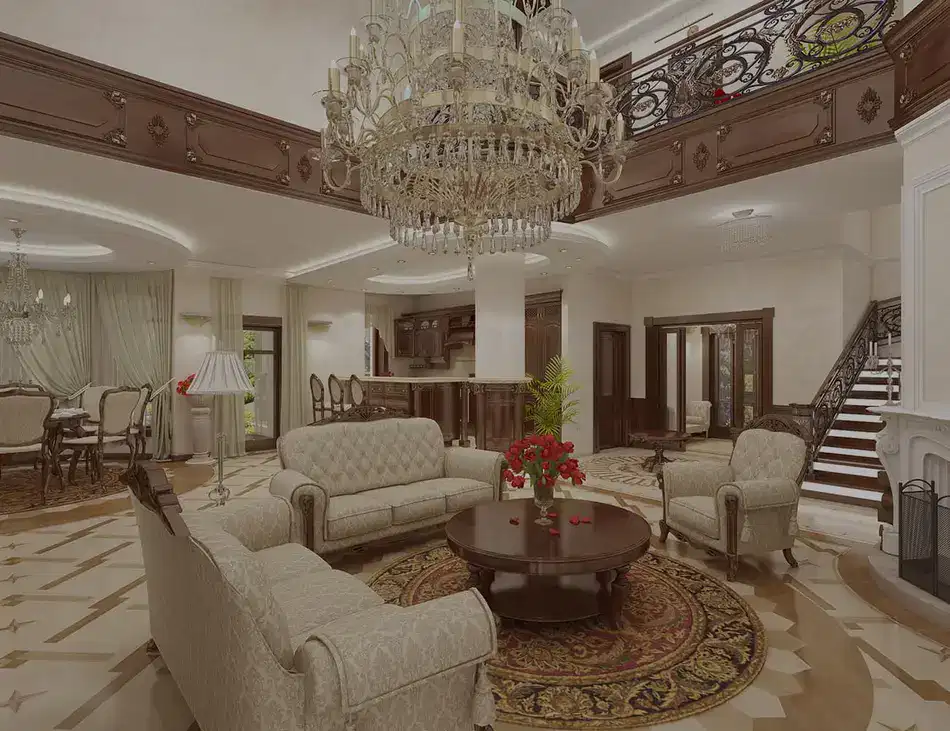
Tokyo’s suite settings can organise hospitality in quite different ways. At The Tokyo EDITION, Toranomon, Marriott describes a penthouse living room with an island kitchen, while its Terrace Suite has a separate dining area and kitchenette; these are examples of room design, not InsideVVIP venue allocations.
A dining table and a living room host differently
A dining-centred layout keeps guests around one shared surface, which can suit a meal or a small exchange of gifts. A living-room arrangement gives conversation a less formal shape, so consider whether the occasion needs everyone seated together or space for smaller conversations to develop.
The floor plan is a starting point, not an inclusion
Neither a kitchen nor a dining table establishes catering permission or an included meal. Explain how you want refreshments served and whether the gathering involves a seated course, shared plates or drinks, allowing the property to assess the actual use rather than relying on the suite’s name.
The named hotel illustrates why floor plans matter; its terrace, furniture and views are not features promised for another room. Confirm the approved event space, guest count and any accommodation separately, keeping the invitation grounded in the suite selected for the celebration.

Performance and participation at a Tokyo celebration
A celebration involving geisha performance centres on the artists’ music, dance and interaction with their guests. GO TOKYO describes Asakusa geisha dance and ozashiki games in a riverboat setting, illustrating how watching and taking part can belong to the same occasion.
Watch, listen and join when invited
The riverboat example is not the location or itinerary of an InsideVVIP dinner. Its useful distinction is participation: guests attend to a performance, then follow the entertainer’s guidance for a game.
A meal and performance need shared attention
For a dining-led gathering, give both the meal and the performance room to unfold. Discuss dietary requirements before the menu is settled and ask how conversation, interpretation and photography fit around the artists, rather than interrupting a performance for a toast or group picture.
A pub crawl has another social focus: the group encounters successive bar settings rather than staying with one hosted performance. Keep that invitation distinct from a dining event, with the actual stops and admission arrangements established for the booked outing rather than inferred from a nightlife guide.

Tokyo’s illuminated streets as part of the arrival
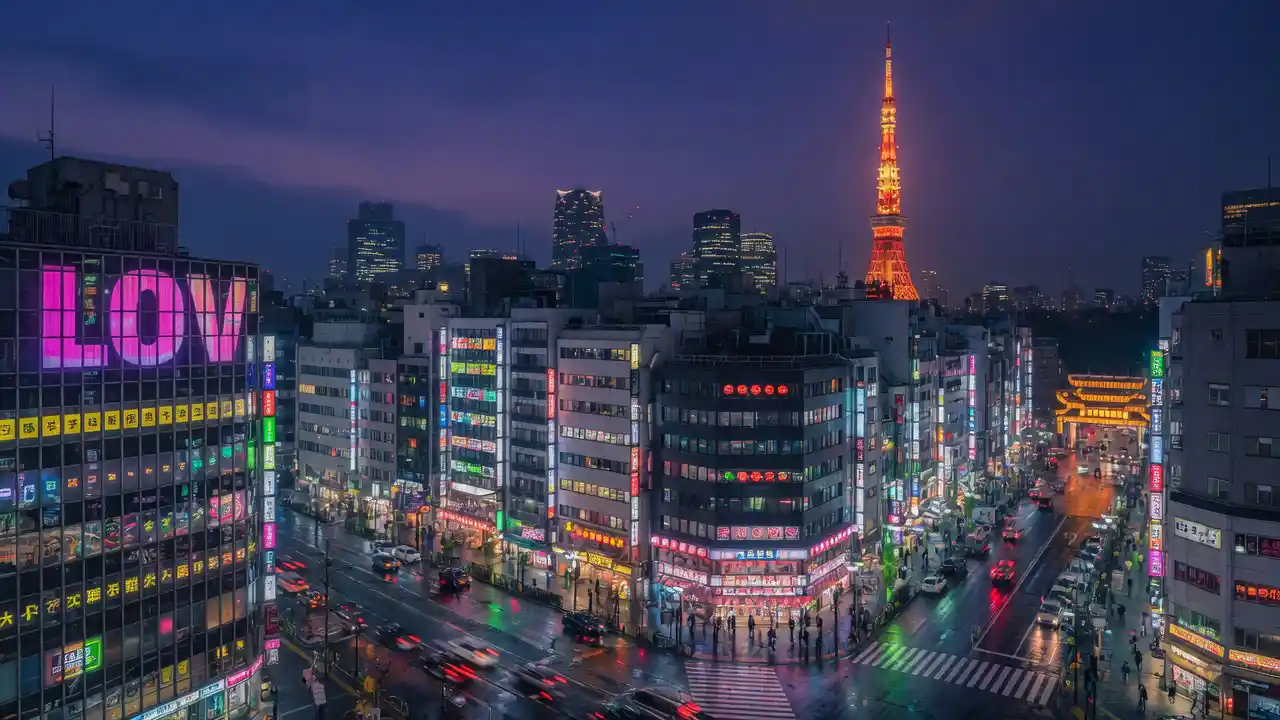
Tokyo’s illuminated commercial streets and buildings can give a shared arrival its own atmosphere, without making every familiar district a promised sightseeing stop.
Make the arrival the fixed point
For a group heading to dinner or a club, work backwards from the arrival that matters. A short scenic detour and a direct transfer serve different intentions; agree which takes priority instead of assuming that a city tour can absorb every extra stop without affecting the next reservation.
One group, one clear pickup
Share the exact destination entrance with the driver, not only the building’s name, and arrange a practical point where the group can board together. If a surprise arrival is planned, make sure the guest of honour’s comfort and access needs take precedence over the photograph.
The vehicle’s seating and permitted passenger count determine who can travel together, while the agreed booking sets the journey’s scope. Confirm stops and any return separately; a limousine arrival does not establish admission to the next venue or continuous transport for the rest of the evening.
Your Tokyo celebration
What should we share for a Tokyo bachelor celebration?
Describe the groom’s interests and the friends joining him, with your likely dates. Tell us which moment should feel like the main celebration rather than turning the whole visit into a list of stops.
How do we make a Tokyo bachelorette brief personal?
Put the bride’s preferred atmosphere and shared interests at the centre of the enquiry. Mention what her friends want to enjoy together and what they would rather avoid, without needing a finished itinerary.
Can Group Travel cover a reunion during a Tokyo visit?
Use it for a reunion, birthday or other shared occasion outside the wedding celebrations. Explain when everyone can gather and whether the event stands alone or forms part of a longer trip.
Plan your Tokyo event
Tell us what brings your group together in Tokyo, with likely dates and an approximate guest count. Include musical interests, dietary requirements and access needs so the enquiry reflects your guests.